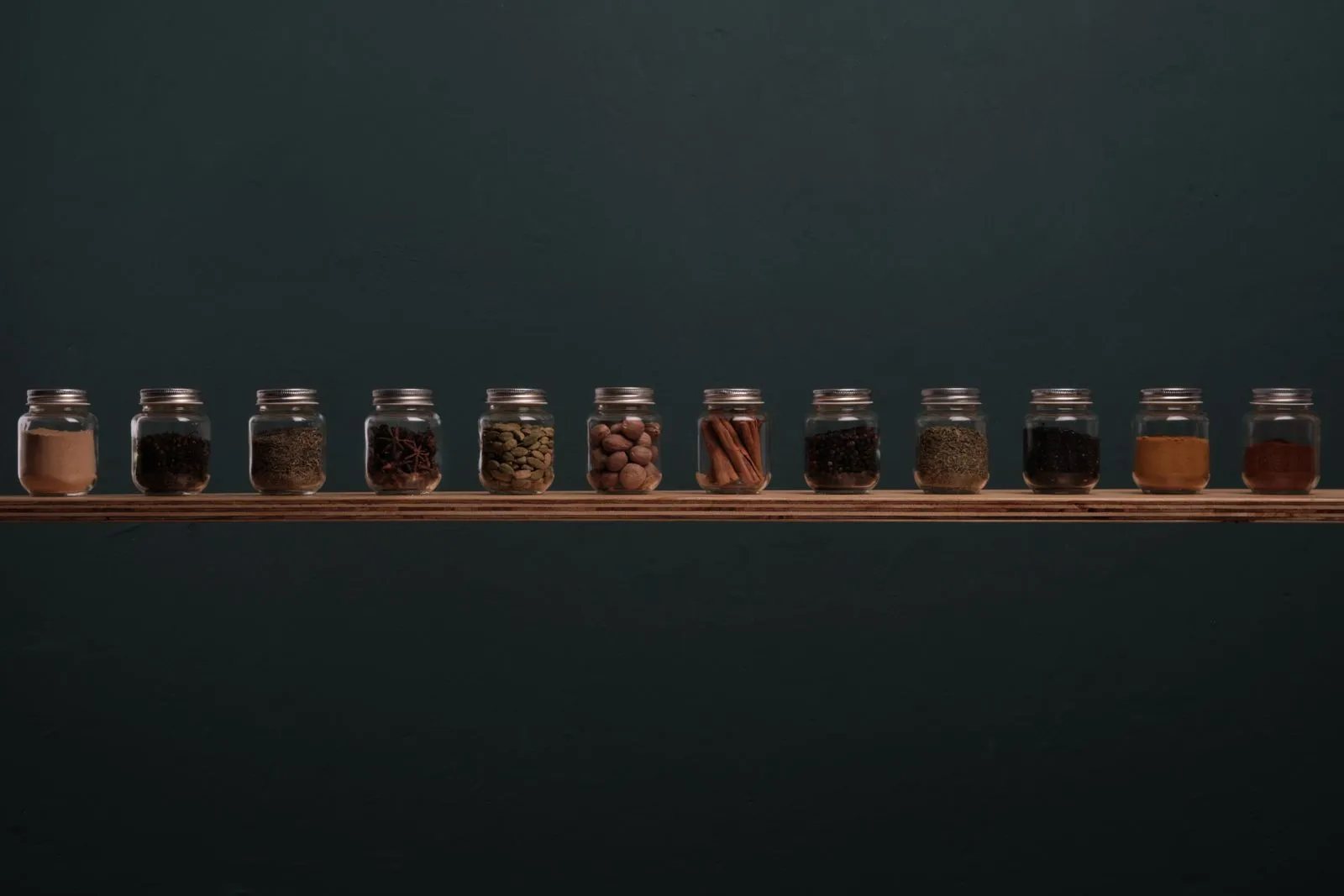
Spices can add depth to a meal, but heat, light, moisture, and air gradually dull their aroma. Good storage helps keep their flavor ready for everyday cooking. You don’t need a special rack or an elaborate system: choose a cool, dry spot, use containers that close tightly, and check spices with your senses before adding them to a dish. These practical steps make it easier to get the most from what you already have.
Choose a Cool, Dry Spot
Store spices away from the stove, oven, dishwasher, and sunny windows. Heat speeds flavor loss, while steam and splashes can introduce moisture. A closed cupboard or drawer that stays cool and dry is usually a better choice than a countertop rack beside the range.
Keep spices in a place with a fairly steady temperature. Avoid storing them above the refrigerator or near a heat vent, where warmth can build up. If you cook often, take out only the spice you need and return it to its storage spot promptly.
Use Containers That Seal
Tight-fitting lids help limit exposure to air and humidity. Small glass jars work well because they seal securely and let you see what’s inside. Opaque containers also help block light. If you use clear jars, keep them inside a closed cabinet rather than on an open shelf.
Choose containers sized for the amount you use, so a nearly empty jar doesn’t hold a large pocket of air. Label each container with the spice name, especially when powders look similar. Pour spices into a spoon or your hand instead of shaking them over a steaming pot; steam can collect inside the jar.
Check Aroma Before Cooking
A spice may have lost quality if its smell is faint, flat, or difficult to recognize when you open the container. Rub a small pinch of whole spices between your fingers, or warm a pinch of ground spice briefly in your palm. A clear, familiar aroma is a good sign; a weak one suggests the flavor may not come through well.
Also look for clumping, dampness, or a change in appearance. These can signal that moisture got into the container. Discard spices that show mold or an unusual musty smell. If a spice looks and smells normal but tastes bland, you can replace it or use a little more, tasting as you go.
Keep Your Collection Manageable
Buy amounts that match how often you cook with each spice. Frequently used seasonings may be worth keeping on hand in larger quantities, while less familiar ones are easier to keep fresh in smaller containers. Avoid transferring new spices into a jar without cleaning and fully drying it first.
Check your collection from time to time and move older containers to the front so you use them first. Dates can help you track when you opened a spice, but aroma is a practical guide to its condition. Pikes Peak Spice can help you find seasonings for the meals you cook most often.
Store spices in a cool, dry, dark place, keep containers tightly closed, and check aroma before cooking. These small habits help protect flavor and make your spice shelf easier to use. Review your collection the next time you cook, and consider choosing fresh amounts that fit your everyday meals.